
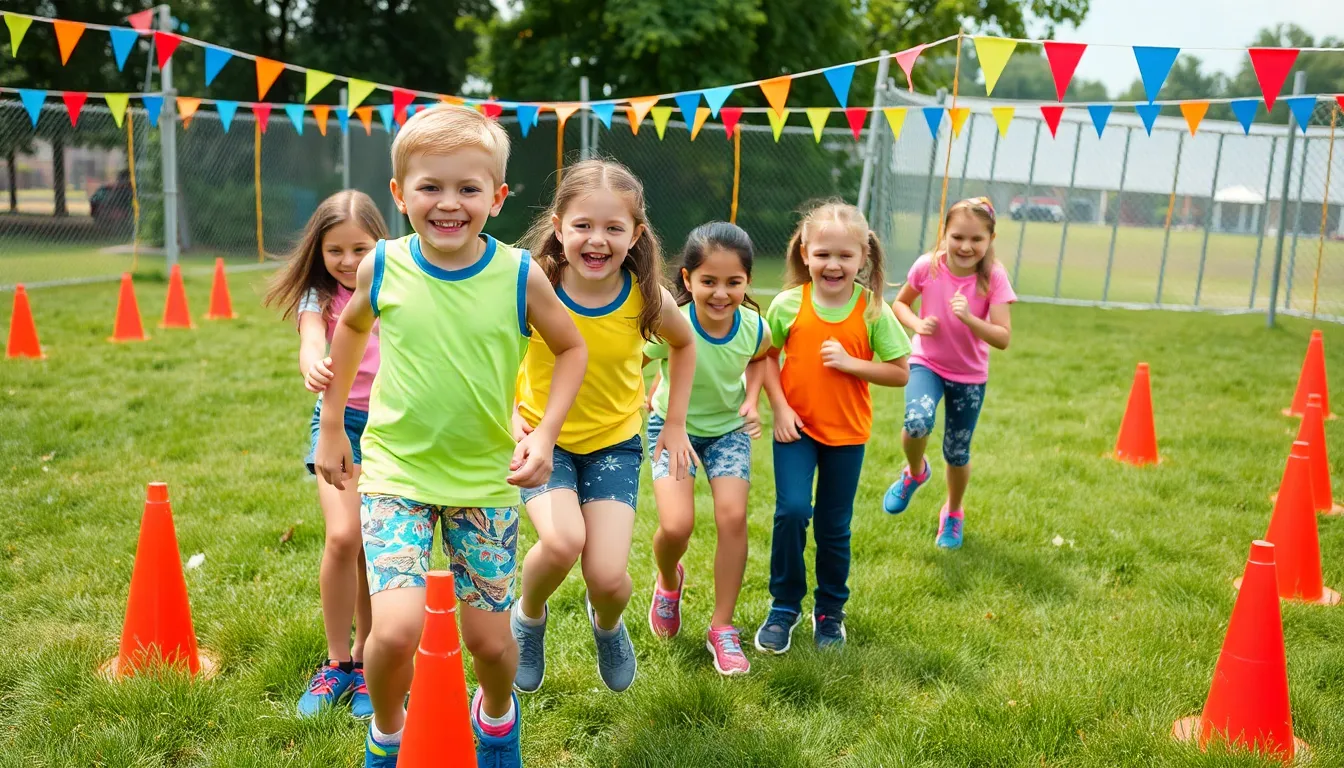
In a world where kids are glued to screens more than ever, getting them moving can feel like an uphill battle. But what if fitness could be as fun as a game of tag? Enter kids fitness challenges—a brilliant way to turn exercise into an adventure. These playful competitions not only boost physical health but also spark creativity and teamwork among young participants.
Benefits of Kids Fitness Challenges
Kids fitness challenges offer numerous advantages that enhance overall well-being. Engaging in these activities benefits both physical and mental health.
Physical Health Improvements
Increased activity levels significantly improve cardiovascular fitness. Muscle strength develops through various exercises included in challenges. Flexibility enhances with movements that promote stretching. Weight management becomes more manageable, reducing the risk of childhood obesity. Participation in fitness challenges also fosters healthier lifestyle habits that may persist into adulthood.
Mental Health Benefits
Enhanced mood results from the endorphins released during physical activity. Confidence grows as children achieve their fitness goals. Social skills improve through teamwork and collaboration in group challenges. Stress levels decrease, contributing to better emotional well-being. Creative thinking flourishes as kids find fun ways to meet challenge requirements.
Popular Kids Fitness Challenges
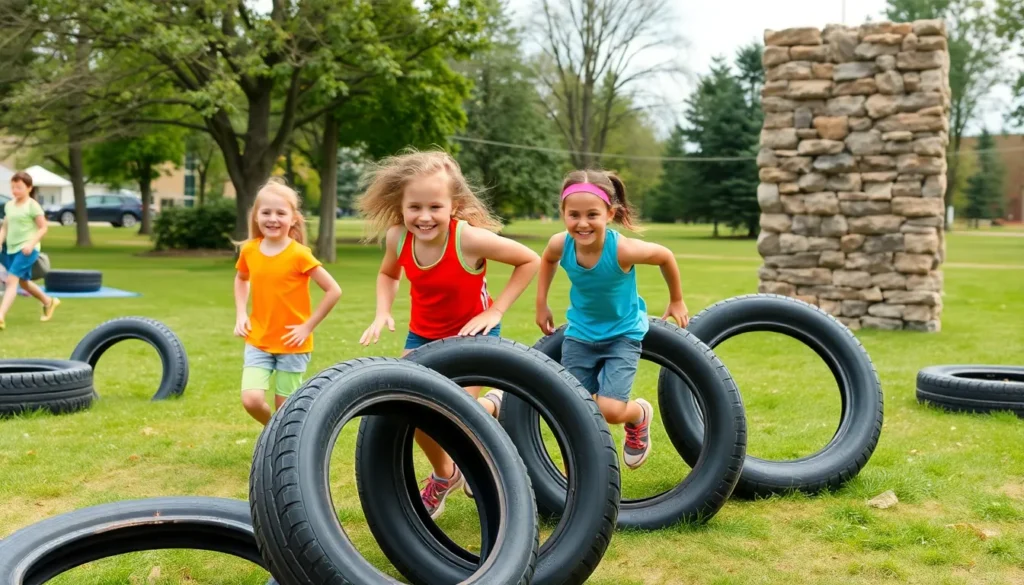
Kids fitness challenges engage children in exciting ways. These activities motivate kids to stay active while having fun.
Obstacle Courses
Obstacle courses challenge kids’ agility and coordination. They often feature various segments like tires, hurdles, and climbing walls. Children can race against friends to enhance speed and focus. These courses promote teamwork when kids work together to complete challenges. Organizing an obstacle course at home or in a park boosts creativity in designing unique setups. Safety equipment, such as helmets and pads, ensures a secure experience. Incorporating timed aspects encourages friendly competition and personal improvement.
Team Sports Challenges
Team sports challenges foster cooperation and social interaction among kids. Sports like soccer, basketball, and relay races teach essential teamwork skills. Engaging in team challenges develops communication and leadership abilities as children strategize for success. Regular participation in these activities encourages commitment and discipline. Schools and community centers often host tournaments, providing opportunities for skill refinement and friendly competition. Involvement in team sports can inspire lifelong friendships and a strong sense of community.
How to Create a Successful Fitness Challenge
Creating a successful fitness challenge involves careful planning and execution. Starting with clear objectives ensures participants understand what to aim for.
Setting Goals
Setting specific, measurable, achievable, relevant, and time-bound (SMART) goals helps kids focus. For instance, a challenge can include completing a certain number of push-ups or running a specific distance within a week. Achievable targets maintain motivation and participation. Goals should be adjusted according to the children’s age and fitness levels. By using rewards or recognition, young participants feel a sense of accomplishment, encouraging ongoing engagement in fitness activities. Regularly revisiting goals ensures that they remain relevant and challenging, driving continuous improvement.
Engaging Kids
Engaging kids requires creativity and variety. Incorporating fun themes, such as a superhero challenge or a nature hike, sparks excitement. Using colorful visuals, music, and interactive elements keeps energy levels high. Groups foster a sense of camaraderie, promoting teamwork. Creating friendly competitions enhances motivation, encouraging kids to push their limits. Adopting flexible schedules accommodates different activities, ensuring broad participation. Regularly introducing new challenges prevents boredom, helping to maintain interest over time. By listening to their feedback, organizers can tailor future challenges to better meet children’s needs and preferences.
Tips for Parents and Educators
Engaging children in fitness challenges requires thoughtful strategies. Parents and educators can play a vital role in promoting healthy activity.
Encouragement and Motivation
To inspire enthusiasm, celebrate each child’s achievements, regardless of size. Setting realistic goals helps children experience progress and success. Incorporating rewards or incentives can boost motivation, fueling their desire to participate. Positive reinforcement through praise encourages continued participation. Creating a supportive environment allows kids to feel comfortable trying new activities. Diverse challenges keep the excitement alive and cater to different interests. Children’s feedback should help shape future challenges, ensuring activities feel relevant and enjoyable.
Safety Considerations
Prioritizing safety remains crucial in fitness challenges. Ensuring participants wear appropriate protective gear, such as helmets and knee pads, minimizes injuries. Constructing safe and suitable challenge environments helps prevent accidents. Monitoring children during activities is essential for maintaining order and providing assistance when necessary. It’s vital to adapt challenges to each child’s skill level, promoting enjoyment without risking frustration. Incorporating hydration breaks keeps them refreshed and reduces fatigue. Regularly reviewing safety guidelines aids both children and organizers in reinforcing secure participation.
Kids fitness challenges offer a dynamic way to promote physical activity in today’s screen-focused environment. By turning exercise into enjoyable competitions, these challenges not only boost physical health but also nurture essential life skills such as teamwork and creativity.
Parents and educators play a vital role in fostering a supportive atmosphere where children feel motivated to participate. Incorporating diverse activities and celebrating achievements can significantly enhance engagement.
Ultimately, these fitness challenges lay the foundation for healthier lifestyle habits that can carry into adulthood, ensuring that children grow up with a positive relationship with fitness and well-being.

