

When it comes to kids and athletics, think of it as a thrilling adventure where they swap video game controllers for running shoes. Athletics events for kids aren’t just about breaking records; they’re about building friendships, boosting confidence, and maybe even discovering a hidden talent for sprinting faster than the family dog.
Overview of Athletics Events for Kids
Athletics events for kids offer a variety of engaging activities that promote physical fitness and social interaction. Common events include track races such as sprints, middle-distance runs, and relay races. Field events like long jump, high jump, and shot put provide opportunities for children to showcase their strength and coordination.
Participation in these events caters to various skill levels, ensuring everyone finds an area of interest. Kids can compete individually or in teams, allowing for both personal achievement and camaraderie. Families and communities often support their young athletes, creating a positive environment that fosters encouragement and teamwork.
Safety remains a key focus during these events. Coaches prioritize instructing children on proper techniques to prevent injuries while enhancing performance. Training sessions also prepare athletes for competition, instilling discipline and commitment.
Age-appropriate events help maintain engagement. For example, younger children might focus on shorter distances and simpler activities, while older kids can tackle more advanced challenges. Coaches tailor programs to meet developmental needs, ensuring that every participant feels included and successful.
Athletics not only build physical abilities but also contribute to character development. Kids learn resilience through competition, experiencing both victories and setbacks. These lessons extend beyond the field, shaping responsible, motivated individuals in all aspects of life.
Overall, athletics events for kids create a foundation for healthy lifestyles. These activities promote fitness, teach valuable life skills, and provide lasting memories through shared experiences. Engaging in athletics encourages a lifelong appreciation for movement and teamwork.
Benefits of Athletics for Children
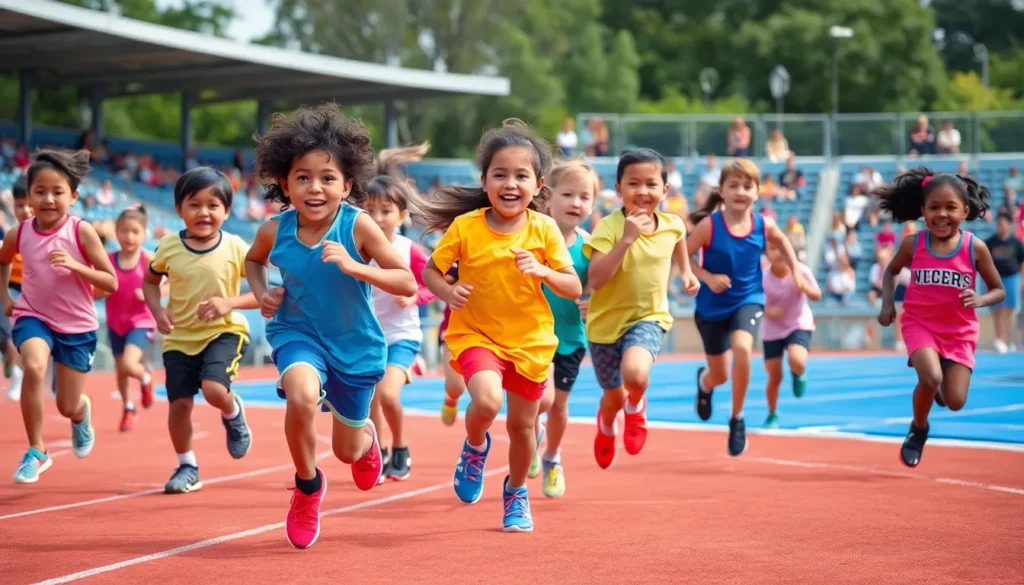
Athletics provides numerous advantages for children, impacting both their physical and mental well-being. Engaging in sports not only encourages kids to be active but also cultivates a positive environment for growth.
Physical Health Improvements
Involvement in athletics significantly boosts physical health. Regular participation increases cardiovascular fitness, which enhances endurance and overall energy levels. Building strength through various sports helps improve muscle coordination. Flexibility gains from stretching and diverse movements minimize the risk of injury. Children exposed to athletics develop healthy habits, encouraging long-term commitment to fitness. Maintaining a healthy weight also becomes easier, supporting an active lifestyle that aids in preventing chronic conditions.
Mental Health Benefits
Athletics contributes positively to children’s mental health. Engaging in physical activity releases endorphins, which improve mood and reduce anxiety. Developing teamwork skills fosters a sense of belonging and boosts self-esteem. Overcoming challenges in sports builds resilience and promotes a growth mindset. Athletic experiences teach kids about goal setting, discipline, and time management. These skills transfer into other life areas, enhancing their confidence and decision-making abilities. Regular participation promotes overall emotional well-being, making children more equipped to handle life’s pressures.
Popular Athletics Events for Kids
Athletics events for kids encompass a variety of engaging activities. These events encourage participation while promoting physical fitness and social skills.
Track and Field Events
Track and field events offer a range of activities, including sprints, long-distance races, and jumping competitions. Sprints, such as the 50 meters and 100 meters, test speed and agility. Long-distance races, like the 400 meters or 800 meters, build stamina and endurance. Jumping events, including the long jump and high jump, focus on technique and strength. Each event caters to diverse skill levels, allowing children to shine individually or as part of a relay team. Training sessions emphasize proper techniques to improve performance and prioritize safety. Coaches foster a supportive atmosphere, helping kids build confidence and develop their talents.
Team Sports
Team sports provide a collaborative environment where children learn to work together towards a common goal. Sports such as soccer, basketball, and football enhance coordination, communication, and strategic thinking. These interactions not only build friendships but also instill a sense of belonging. Practicing team sports promotes essential skills like teamwork, discipline, and sportsmanship. Competitive elements encourage kids to push their limits while having fun. Coaches focus on inclusive practices, ensuring every child feels valued and engaged. Each game serves as an opportunity for kids to celebrate victories and learn from challenges in a supportive setting.
How to Get Involved in Athletics
Getting involved in athletics offers children an exciting opportunity to enhance their physical fitness and social skills. Parents can support their kids in this journey through several avenues.
Finding Local Clubs and Programs
Exploring local clubs enables children to connect with peers sharing similar interests. Community centers often host athletics programs for different age groups. Schools frequently organize after-school activities focused on sports. Online resources provide directories for nearby athletic clubs. Parents should look for programs that prioritize safety and proper training techniques.
Training and Development Opportunities
Participating in clinics and workshops helps children refine their athletic skills. Many clubs offer specialized training sessions tailored to various age levels. Coaches often emphasize technique, fitness, and teamwork during these sessions. Local competitions may also serve as a platform for growth, allowing kids to apply their skills in a supportive environment. Engaging in these opportunities promotes continuous improvement and builds confidence among young athletes.
Safety Considerations
Prioritizing safety in athletics events for kids is essential for a positive experience. Coaches should emphasize proper techniques to minimize the risk of injuries. Assessing the playing environment helps identify potential hazards, ensuring children compete in safe spaces.
Wearing appropriate gear reduces injury risks significantly. Proper footwear enhances stability and support, while uniforms should fit well and allow freedom of movement. Helmets and shin guards in certain sports provide extra protection.
Monitoring hydration is crucial during athletic activities, especially in warm weather. Coaches and guardians must encourage regular water breaks to maintain hydration levels. Recognizing symptoms of heat exhaustion or dehydration supports children’s well-being.
Establishing rules and guidelines fosters a safe competitive environment. Clear communication helps athletes understand expectations during events. Coaches can facilitate discussions on sportsmanship, teaching kids to respect opponents and officials.
Encouraging warm-ups and cool-downs is vital for injury prevention. Stretching before and after activities promotes flexibility and reduces muscle strain. Additionally, teaching recovery techniques enhances overall performance and safety.
Having trained personnel on-site ensures immediate response to injuries. Medical staff or first-aid volunteers can promptly address issues, giving parents peace of mind. Conducting regular safety drills familiarizes everyone with emergency protocols.
Engaging parents in safety discussions reinforces support at home. Parents who stay informed about safety measures help children understand the importance of following guidelines. Collaborating with local athletics organizations promotes consistent safety standards across events.
Creating a culture of safety ultimately enhances the enjoyment of athletics events for kids. Children who feel secure are more likely to participate enthusiastically and confidently. Safety considerations not only protect young athletes but also contribute to their overall development in sports.
Athletics events for kids offer more than just a chance to compete. They create opportunities for personal growth and social connection. By engaging in these activities, children develop essential life skills while enjoying the thrill of physical activity.
The supportive environment fostered by coaches and peers enhances their confidence and resilience. As kids participate in various sports, they not only improve their physical fitness but also build lasting friendships and create cherished memories.
Encouraging children to explore athletics sets them on a path toward a healthy and active lifestyle. It instills a love for movement that can last a lifetime.

