
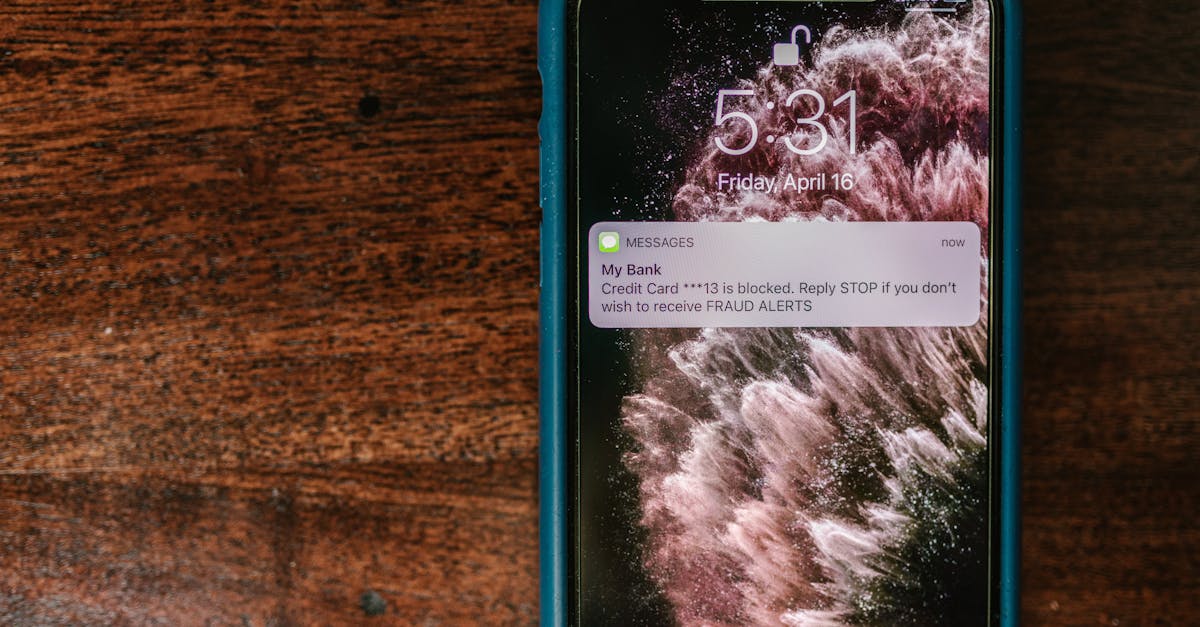
In a world where digital communication reigns supreme, the question of blocking someone on iPhone can feel like a modern-day dilemma. It’s like playing a game of hide and seek, but the stakes are higher—after all, nobody wants to be the villain in their own tech story. So, can someone really tell if you’ve hit that elusive block button?
Picture this: you’re trying to dodge those relentless texts from an ex or a chatty coworker. But before you make that bold move, it’s essential to understand the signs that might give you away. Spoiler alert: it’s not as straightforward as you think. Get ready to dive into the nuances of blocking on iPhone and discover whether your stealthy tactics can remain under the radar or if you’ll be caught red-handed in the digital age.
Table of Contents
ToggleUnderstanding Blocking on iPhone
Blocking someone on an iPhone involves blocking calls, texts, and FaceTime communications from that person. Users can navigate their settings to perform this action easily.
How Blocking Works
Blocking occurs when a user adds a phone number or contact to the block list within the settings. The blocked caller cannot reach the user through calls or texts. An iPhone won’t notify users when blocked contacts attempt to reach them, making the process discreet. Messages from blocked numbers don’t appear in the user’s inbox, reducing unwanted communication. The blocked caller will still see their messages sent, but these won’t be delivered to the recipient device.
Common Misconceptions
People often believe that blocking someone sends a notification to the blocked individual. This assumption is incorrect, as no alerts indicate someone has been blocked. Many think blocked callers can still leave voicemails; this isn’t true since voicemails don’t reach the user’s device. Users may also think that there’s a visible sign for blocked contacts in their list; in reality, the user maintains control without revealing their status. Understanding these misconceptions clarifies the blocking process on iPhones.
Signs You Have Been Blocked
Certain signs indicate that someone may have blocked you on their iPhone. Recognizing these behaviors can clarify the situation.
Call Behavior Changes
Incoming calls go straight to voicemail without ringing when a number is blocked. Most instances reveal the absence of call notifications, indicating the call didn’t connect. Continuous attempts to reach the person may result in the same outcome, fueling suspicion. Additionally, if a previously responsive contact stops answering calls altogether, it raises red flags. Observing inconsistencies in call behavior can suggest that the individual blocked the number.
Text Message Indicators
Text messages sent to a blocked contact show only a single grey checkmark. This indicates that the message was sent but not delivered. Any past communication that previously showed two blue checkmarks now remains unchanged. Users might also notice a lack of replies, even to urgent messages. Inconsistent messaging patterns often confirm the suspicion of being blocked. Recognizing these indicators can help clarify the communication status with the contact.
Privacy Concerns
Blocking contacts on an iPhone raises various privacy concerns. Users often wonder whether their actions reveal anything to the blocked individuals.
Visibility of Blocked Contacts
Blocked contacts remain entirely unaware of their status unless they notice the signs. Calls sent by blocked individuals go directly to voicemail without ringing, leading to potential confusion. Text messages display a single grey checkmark, indicating delivery issues. Some users may connect these scenarios to being blocked, although there’s no definitive notification sent. Therefore, the lack of awareness serves as a form of privacy, shielding users from unwanted interactions while keeping blocked contacts in the dark.
Impact on Social Interactions
The decision to block someone can significantly affect social interactions. Friends and acquaintances might speculate about the communication gap, influencing group dynamics. Blocked individuals may feel ignored, which can create misunderstandings. The silence often leads to questions and concerns regarding the relationship. Avoiding unwanted interactions comes at the cost of potentially complicating social structures, leaving the blocked person in a state of uncertainty. Striking a balance between privacy and maintaining relationships proves crucial in the digital age, as feelings and perceptions often intertwine.
Blocking someone on an iPhone is a straightforward process that carries nuanced implications. While users can effectively prevent unwanted communication, the signs of being blocked can lead to confusion and speculation. Understanding these signs is crucial for navigating relationships in today’s digital landscape.
Ultimately, the choice to block someone reflects a desire for privacy and control over personal interactions. However, it’s important to recognize the potential impact on social dynamics and how it may affect perceptions among mutual acquaintances. Balancing privacy with the complexities of communication remains a challenge in the modern age.

