In today’s world, where kids are glued to screens more than ever, parents are on a mission to get their little ones moving. Enter kids sports classes—where laughter meets athleticism and the only thing getting benched is boredom. These classes not only keep kids active but also teach teamwork, discipline, and that winning isn’t everything (unless it’s snack time, of course).
Overview of Kids Sports Classes
Kids sports classes offer a structured environment where children engage in athletic activities. These classes focus on a variety of sports, including soccer, basketball, swimming, and gymnastics. Parents often seek programs that emphasize physical fitness while also providing social interaction opportunities.
Participants experience benefits beyond physical activity. They develop essential life skills such as cooperation, communication, and resilience. Many programs encourage personal growth through challenges in a supportive setting. Children learn to appreciate the value of effort rather than solely pursuing victory.
Class formats may vary, including team-based or individual focus. Coaches typically design sessions to accommodate different age groups, ensuring age-appropriate skill development. Emphasis on fun and enjoyment plays a central role, promoting a love for sports that lasts beyond childhood.
Participation rates show strong enrollment interest. Statistics indicate that approximately 60% of children aged 6 to 12 participate in organized sports classes. Many families view these programs as an opportunity for their kids to stay fit and engaged with peers.
Locations for kids sports classes abound, with options in community centers, schools, and private sports academies. These facilities often feature trained staff members dedicated to creating a safe and enjoyable atmosphere. Classes generally meet weekly, allowing kids to build relationships with peers.
Parental involvement often enhances the experience. Parents may observe sessions or engage in volunteer opportunities within the programs. Active participation from caregivers reinforces the importance of physical activity and supports children’s social development.
Benefits of Kids Sports Classes
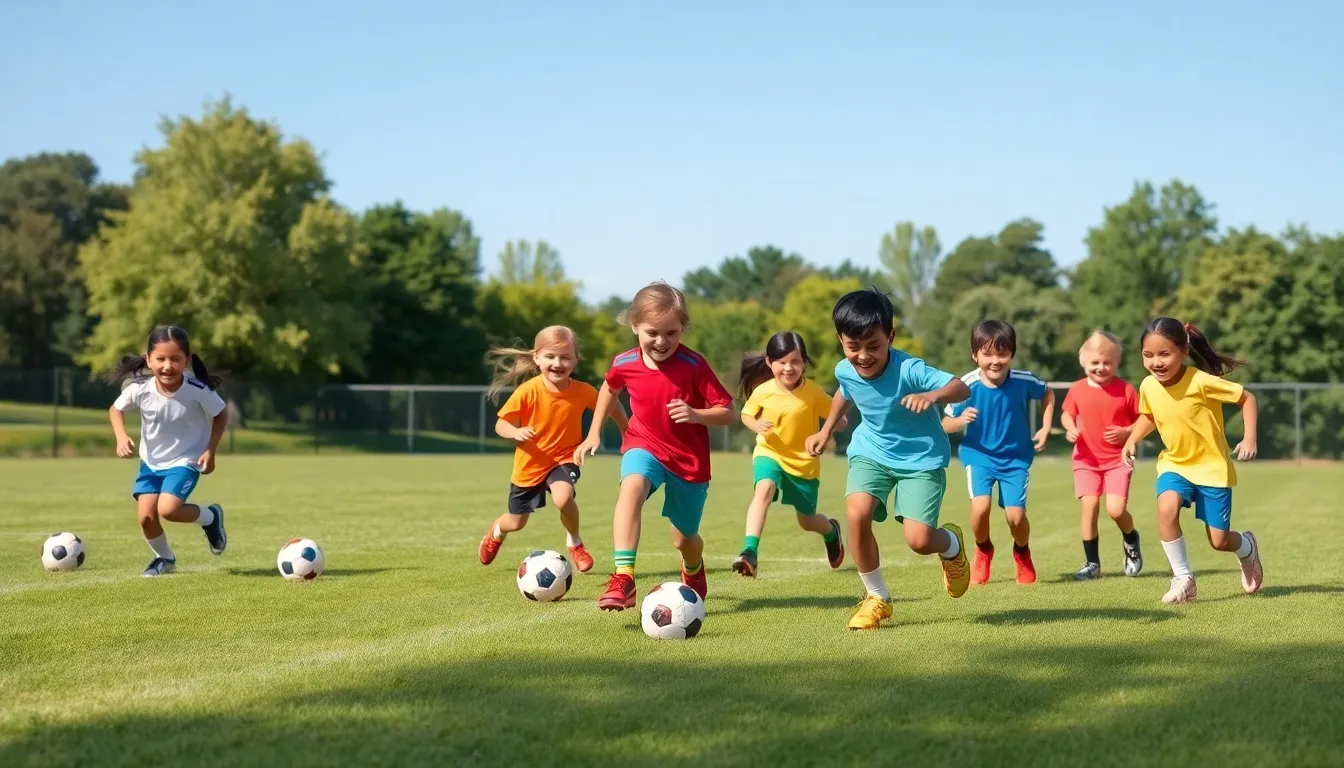
Kids sports classes offer numerous advantages that promote overall well-being and development. Active participation enhances physical fitness and fosters essential social skills.
Physical Health Benefits
Physical health receives a significant boost through regular engagement in sports. Children who participate in sports classes improve cardiovascular health, increase strength, and develop motor skills. Studies indicate that children involved in physical activities are less likely to be overweight, leading to long-term health advantages. Improved coordination results from practicing various sports, benefiting children in their daily activities. Fitness experts recommend at least 60 minutes of physical activity daily for children, making these classes an effective way to meet that requirement.
Social Development
Social development flourishes in team-oriented environments like sports classes. Children cultivate teamwork skills, enhancing their ability to collaborate with peers. Communication improves as they learn to express ideas and strategies during games. Sports classes also teach resilience, helping them manage success and setback gracefully. Exposure to diverse children promotes inclusivity and friendship, enriching their social experiences. Participation strengthens bonds with coaches and instructors, providing mentorship and guidance.
Types of Kids Sports Classes
Kids sports classes can be broadly categorized into two main types: individual sports and team sports. Each type offers distinct benefits that contribute to children’s physical and social development.
Individual Sports
Individual sports classes emphasize personal achievement and self-discipline. Activities like tennis, martial arts, and gymnastics promote focus and self-improvement. Participants engage in one-on-one coaching, allowing tailored instruction based on specific strengths and weaknesses. These classes foster independence as children learn to set and reach personal goals. With regular practice, kids build confidence and resilience, which translate into other life aspects. For instance, martial arts not only improve physical fitness but also teach respect and self-control.
Team Sports
Team sports classes focus on cooperation and communication among peers. Popular choices include soccer, basketball, and baseball, where children learn to work together to achieve common objectives. Interaction during practices and games fosters friendships, creating a supportive community. Skills like teamwork and leadership develop as participants navigate challenges on the field. Moreover, children experience valuable lessons in sportsmanship and responsibility. Regular engagement in team sports encourages a commitment to fitness while enhancing social skills. Observing the camaraderie also boosts morale and keeps children motivated to participate.
Choosing the Right Kids Sports Class
Selecting the appropriate sports class for a child requires careful consideration of various factors, including age and skill level. These elements ensure a positive experience and maximize the benefits of participating in sports.
Age Considerations
Age plays a crucial role when choosing a sports class. Different age groups benefit from varied approaches and activities. Programs designed for younger children, typically aged 3 to 5, emphasize motor skill development through play. Those for ages 6 to 12 often introduce structured team activities, focusing on social interaction and teamwork. Classes tailored for teenagers may center on skill enhancement and competition, addressing their growing interest in serious sports. Parents should assess the class’s suitability for their child’s specific age group to ensure a rewarding experience.
Skill Level
Skill level significantly affects a child’s enjoyment and growth in sports. Many classes cater to beginners, providing foundational skills and a supportive environment. Children with previous experience can benefit from advanced classes that focus on refining techniques and enhancing performance. It’s essential to match the child’s skill level with the class’s complexity to prevent frustration or disengagement. Observing or discussing with instructors can help parents make informed decisions about the right fit, ensuring the child feels challenged yet capable.
Kids sports classes offer an excellent opportunity for children to stay active while developing essential life skills. These programs create a supportive and enjoyable environment where the focus shifts from winning to personal growth and teamwork. By participating in these classes, children enhance their physical fitness and foster social connections that last a lifetime.
With a variety of options available, parents can find the perfect fit for their child’s age and skill level. This ensures that every child can thrive in a setting that emphasizes effort and enjoyment. Investing in kids sports classes not only promotes a healthy lifestyle but also cultivates resilience and cooperation among peers, laying a strong foundation for their future.