
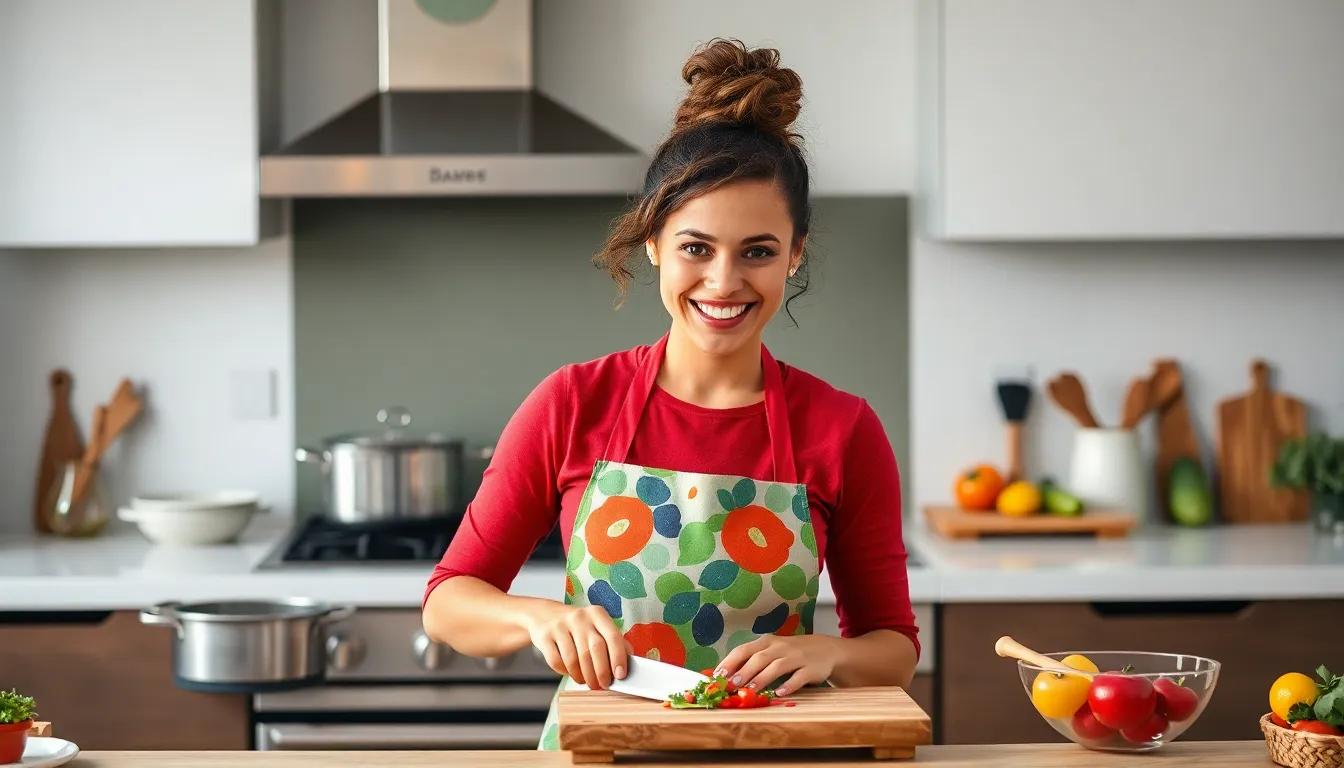
In a world where instant noodles reign supreme and takeout menus seem to multiply, young adults often find themselves at a culinary crossroads. Cooking can feel like a daunting task, but it doesn’t have to be! With a pinch of creativity and a dash of humor, whipping up delicious meals can transform from a chore into a delightful adventure.
Understanding Young Adult Cooking
Young adults often navigate the kitchen with unique challenges. While instant noodles and takeout provide convenience, developing cooking skills proves beneficial for a healthier lifestyle.
Importance of Cooking Skills
Cooking skills contribute to better nutrition and well-being. Preparing meals allows for control over ingredients. Young adults who cook at home often make healthier food choices. These skills also foster independence and self-sufficiency, crucial traits for adulthood. An understanding of basic techniques boosts confidence in the kitchen. A few cooking sessions can cultivate creativity and encourage experimentation with flavors.
Age Demographics and Trends
Demographics indicate that young adults, particularly those aged 18 to 35, show growing interest in cooking. Surveys reveal that 45% of this age group aims to improve their culinary skills. With the rise of social media platforms, cooking trends flourish among millennials and Gen Z. Online tutorials and food blogs have made cooking accessible and engaging. Trends such as meal prepping and plant-based diets resonate with this demographic, encouraging healthier habits.
Essential Cooking Techniques for Young Adults
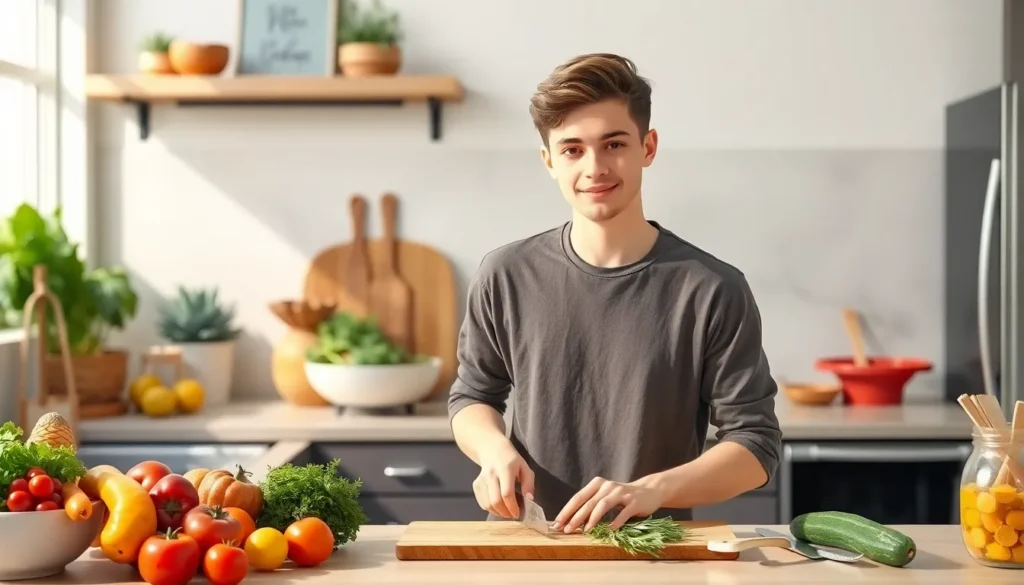
Focusing on essential cooking techniques boosts kitchen confidence among young adults. Mastering these skills enhances health, encourages independence, and simplifies meal preparation.
Basic Knife Skills
Understanding knife skills remains crucial. Precision improves with practice, allowing for consistent cuts in vegetables and proteins. Chopping, dicing, and mincing create uniform pieces, resulting in even cooking. The proper grip on the handle ensures safety and control. Using a cutting board designed for specific tasks makes preparation easier. Practicing these techniques equips young adults to tackle a variety of recipes confidently.
Cooking Methods to Master
Learning different cooking methods expands meal options. Sautéing helps achieve flavor through browning, while boiling brings simplicity to pasta and vegetables. Baking is perfect for healthy entrees and delicious desserts. Grilling offers a smoky taste that elevates meats and vegetables alike. Roasting enhances natural sweetness in root vegetables. Mastering these methods positions young adults to create diverse and appealing meals in their kitchens.
Quick and Easy Recipes for Busy Schedules
Preparing quick meals is essential for young adults balancing busy lives. Here are some straightforward ideas for breakfast, lunch, dinner, and snacks.
Breakfast Ideas
Start the day with oatmeal topped with fresh fruit and nuts. This combination provides fiber and energy for morning activities. Smoothies also make an excellent choice; blend spinach, banana, and yogurt for a nutritious drink. Toast with avocado and a sprinkle of salt delivers healthy fats, fueling productivity. Eggs, whether scrambled or boiled, offer protein and versatility. Preparing them in advance saves time during the week.
Lunch and Dinner Options
Wraps serve as a versatile option; fill them with lean meats, legumes, and colorful vegetables for a balanced meal. Stir-frying seasonal veggies and tofu or chicken in soy sauce results in a quick, flavorful dish. Pasta is another go-to; cook it in 10 minutes and toss with olive oil, garlic, and any leftover vegetables. Sheet pan meals combine proteins and veggies, allowing a one-pan cleanup.
Healthy Snacks
Hummus paired with carrot sticks or whole-grain crackers makes for a satisfying snack. Greek yogurt topped with honey and nuts serves as a protein-packed option. Energy balls, made with oats, nut butter, and honey, provide on-the-go nourishment. Fresh fruit like apples or bananas offers natural sweetness and fiber. Trail mix, combining nuts and seeds, can be prepared in bulk for easy access.
Budget-Friendly Cooking Tips
Navigating the kitchen can be budget-friendly with some thoughtful strategies. Young adults can maximize their savings while enjoying delicious meals.
Meal Planning and Prepping
Planning meals in advance reduces food waste and saves money. Creating a weekly menu helps identify necessary ingredients and allows for strategic grocery shopping. Incorporating leftovers into new meals can extend the budget further. Preparing ingredients ahead, like chopping vegetables or cooking grains in batches, speeds up cooking during the week. Sticking to a shopping list can eliminate impulse buys and control spending effectively. This disciplined approach not only makes cooking more manageable but also fosters healthier eating habits.
Affordable Ingredients
Choosing cost-effective ingredients is essential for budget-friendly cooking. Staples like rice, beans, and pasta provide versatility in various dishes while remaining inexpensive. Seasonal produce often costs less and tastes fresher, making it a smart choice. Canned and frozen vegetables retain nutrients and stretch the budget even further. Shopping for sale items and using coupons enhances savings significantly. Exploring local farmers’ markets can yield affordable, quality ingredients. By focusing on these elements, young adults can enjoy nutritious meals without straining their finances.
Resources for Young Adult Cooking
Young adults can enhance their cooking skills with a variety of resources available today. Many options cater to different learning styles and preferences.
Cookbooks and Online Tutorials
Cookbooks offer structured recipes and techniques, making them valuable resources. Popular titles that resonate with young adults include “Salt, Fat, Acid, Heat” and “Brady’s Bites,” which emphasize practical cooking skills. Online tutorials present dynamic platforms for learning, often featuring videos that cover everything from basic knife skills to complex dishes. Websites such as YouTube and specialized cooking channels provide step-by-step guidance that can boost confidence. Blogs focused on young adult cooking create relatable discussions around recipes, meal prep, and ingredient sourcing. Collectively, these resources influence both knowledge and creativity in the kitchen.
Cooking Classes and Workshops
Cooking classes designed for young adults create interactive learning environments. Local community centers and culinary schools often host workshops, focusing on various cuisines and techniques. Classes like basic cooking, advanced baking, or specific dietary needs cater to diverse preferences. Participants gain hands-on experience and receive firsthand feedback from instructors. Online platforms now offer virtual classes, allowing flexibility and access to renowned chefs. Cooking workshops also foster a sense of community among participants, encouraging collaboration and connection over shared culinary experiences. These resources play a crucial role in building cooking confidence and fostering new skills.
Young adults are discovering the joys of cooking and embracing it as a valuable life skill. With the right mindset and a few essential techniques, the kitchen can transform from a daunting space into a creative haven. As they explore diverse recipes and budget-friendly tips, they’re not just nourishing their bodies but also gaining independence and confidence.
The resources available today make it easier than ever to learn and experiment. Whether through cookbooks, online tutorials, or cooking classes, young adults can find support and inspiration. By making cooking a fun and engaging part of their lives, they’re setting the stage for healthier habits and a more fulfilling lifestyle.

